
The festival of Durga Puja is a vibrant celebration that brings communities together, filled with music, dance, and the mesmerizing sight of beautifully crafted idols. Traditionally, these idols have been made from clay, reflecting the rich cultural heritage of India. However, as environmental concerns rise, many are seeking alternative materials that can help preserve our planet while still honoring age-old customs.
Enter the fiberglass Maa Durga idol—a modern solution that offers durability and sustainability without compromising artistic expression. This transition might seem daunting at first glance; after all, how do we maintain tradition in an era where eco-friendliness is paramount? But fear not! Embracing this new material doesn’t mean casting aside our cherished values. Instead, it opens up exciting possibilities for innovation while keeping the spirit of devotion alive.
Join us on this journey as we explore how to seamlessly transition from clay to fiberglass in creating stunning Durga idols—honoring both Mother Earth and our beloved traditions along the way.
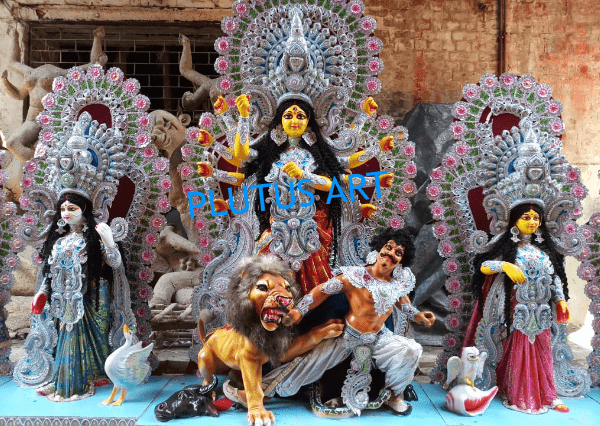
The significance of clay Durga idols in Indian culture
Clay Durga idols hold profound significance in Indian culture, representing not just artistry but also spirituality. These handcrafted figures embody the essence of Maa Durga, symbolizing strength, empowerment, and the triumph of good over evil.
For centuries, artisans have poured their hearts into creating these idols using local clay—an organic material that connects them to their roots and environment. The process itself is steeped in tradition; every mold and detail reflects age-old beliefs passed down through generations.
During Durga Puja, these idols become focal points for devotion and community gatherings. People from all walks of life come together to worship, celebrate, and revel in the divine presence of Maa Durga.
The immersion ceremony at the end signifies a cycle of creation and destruction—reminding devotees of life’s impermanence while fostering a sense of unity among participants as they bid farewell to the goddess with reverence.
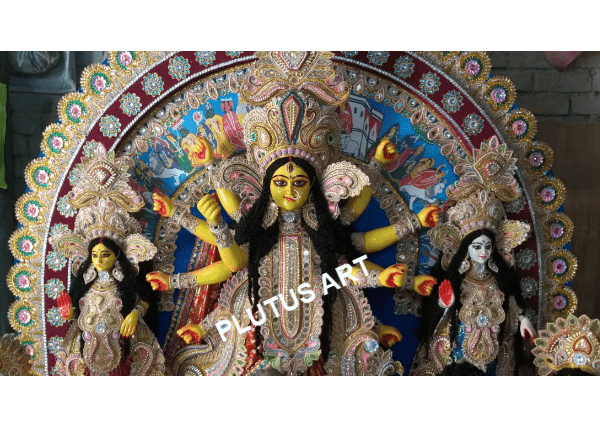
Environmental concerns and the need for alternative materials
The growing concern for environmental sustainability has sparked a significant debate regarding traditional practices, particularly in the creation of Durga idols. Clay idols, while culturally rich, pose serious ecological challenges. The immersion process often leads to water pollution due to non-biodegradable paints and materials.
As urbanization increases, clay sources become scarcer. This scarcity can lead to further exploitation of natural resources. Moreover, as rivers and lakes suffer from contamination during festivals, communities are left grappling with long-term damage to their ecosystems.
These pressing issues call for innovative alternatives that respect both tradition and nature. Fiberglass emerges as a viable solution—a material that offers durability without compromising the environment’s integrity. By transitioning toward fiberglass Durga idols, artisans can create beautiful representations of Maa Durga while also mitigating harmful impacts on our planet.
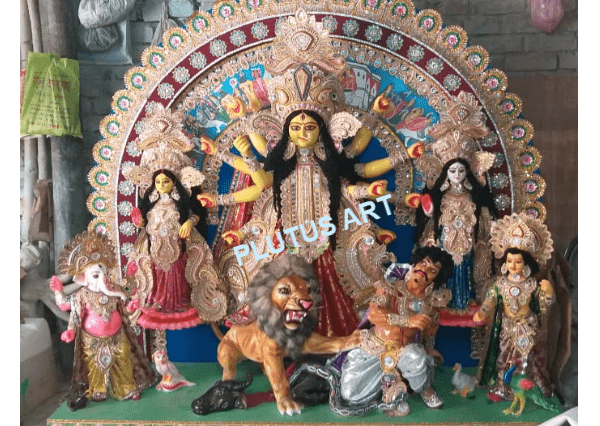
Introduction to fiberglass as a suitable replacement for clay idols
Fiberglass has emerged as a versatile alternative to traditional clay for creating Maa Durga idols. This modern material offers several benefits that align with both environmental needs and artistic expression.
One of the primary advantages is its durability. Unlike clay, which can crack or break easily, fiberglass remains sturdy throughout its display period. This resilience allows artisans to produce intricate designs without fear of damage.
Moreover, fiberglass can be molded into shapes that might be challenging with clay. The smooth finish enables finer details, making it possible to replicate the divine features of Maa Durga more seamlessly.
Additionally, fiberglass idols are lightweight and easier to transport compared to their clay counterparts. This factor simplifies logistics during festivals when time and effort are often stretched thin.
Transitioning from clay to fiberglass doesn’t just cater to practicality; it opens new avenues for creativity while still honoring the essence of tradition.
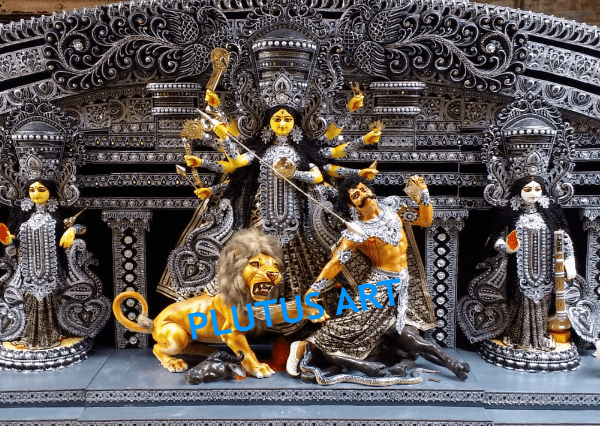
Advantages and challenges of transitioning to fiberglass idols
Transitioning to fiberglass Durga idols offers several advantages. These idols are lightweight, making transportation and installation much easier for artisans and communities alike. Fiberglass is also durable, ensuring that the artwork lasts longer than traditional clay options.
However, there are challenges to consider as well. The initial cost of creating fiberglass statues can be higher due to materials and production processes. Additionally, some devotees may resist this change, feeling that it compromises the authenticity of their beloved traditions.
There’s also a learning curve involved in crafting these new forms of Maa Durga statues. Artisans must adapt techniques they’ve honed over generations to work with fiberglass effectively while still capturing the essence of divine artistry.
Balancing innovation with tradition will require open dialogue within communities about sustainability and spiritual significance.
Steps for creating a fiberglass Durga idol
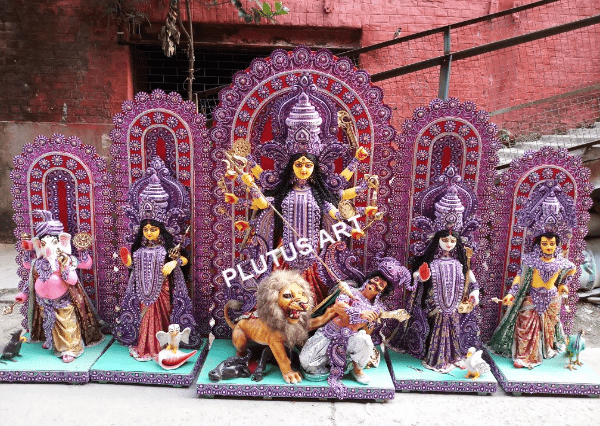
Creating a fiberglass Durga idol begins with designing the mold. Artisans often use clay or plaster to sculpt an intricate representation of Maa Durga, capturing every detail.
Once satisfied with the design, they create a mold that can withstand casting materials. This is crucial for ensuring accuracy in the final product.
Next comes the application of fiberglass resin. The resin is mixed and carefully layered into the mold. It’s essential to work efficiently as this material sets quickly.
After several layers are applied, let it cure completely before demolding. This process reveals a lightweight yet sturdy fiberglass structure.
Detailing follows next—adding colors and finishing touches brings life to your fiberglass Durga idol. Techniques like airbrushing allow for vibrant hues while maintaining traditional motifs.
Protective coatings ensure durability against environmental factors, making your idol suitable for both indoor and outdoor displays during festivities.
Techniques to maintain traditional elements in fiberglass idols
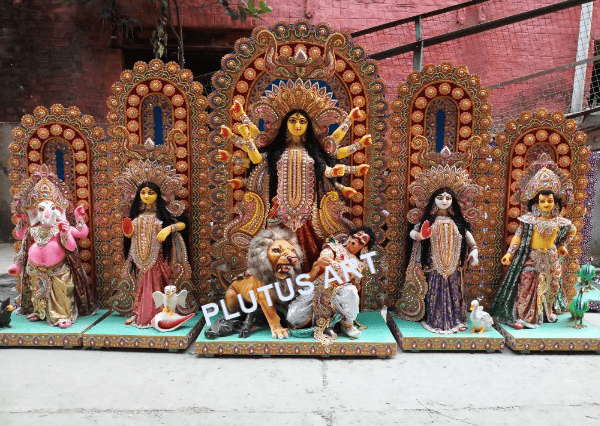
To maintain traditional elements in fiberglass idols, artisans can start by incorporating classic designs and motifs that have been passed down through generations. This ensures that the essence of Maa Durga is preserved.
Color plays a vital role too. Using vibrant hues that reflect cultural significance helps to evoke the same emotional response as clay idols. These colors should be carefully chosen to align with festival themes.
Texture can also enhance authenticity. Techniques such as layering paint or using textured finishes mimic the natural look of clay, providing depth and richness to the idol.
Engaging local artists skilled in traditional crafts ensures detailed craftsmanship remains intact. Their expertise helps bridge innovative materials with age-old techniques, creating a seamless blend of tradition and modernity.
Rituals associated with idol creation—such as prayers and blessings before sculpting—can continue even when working with fiberglass, reinforcing cultural connections during production.
Impact on the environment and cultural traditions
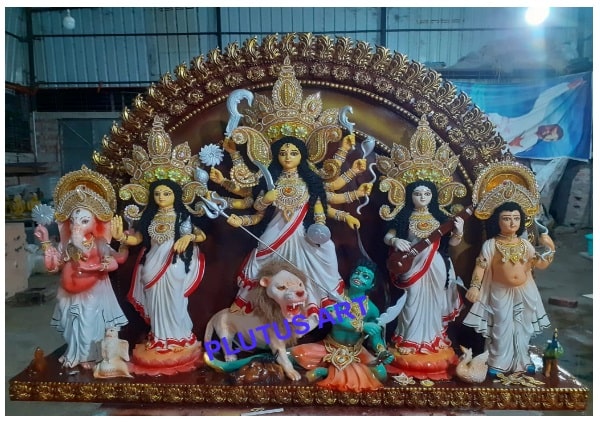
The shift to fiberglass Durga idols has profound implications for both the environment and cultural practices. Traditional clay idols often lead to water pollution during immersion, with toxic paints and materials harming aquatic ecosystems. In contrast, fiberglass can significantly reduce this environmental impact.
Using fiberglass offers durability and longevity, which means these statues can be reused across multiple festivals. This reflects a growing awareness of sustainable practices within religious celebrations.
However, embracing fiberglass also raises questions about authenticity in cultural expressions. Devotees worry that the essence of tradition might fade as visual aesthetics evolve with modern materials.
Balancing innovation with reverence is essential. Artists must strive to incorporate traditional designs while utilizing contemporary techniques, ensuring that each fiberglass Maa Durga statue retains its spiritual significance amidst changing times.
Conclusion: Preserving tradition while embracing sustainability
As we navigate the complexities of modern life, it becomes essential to find a balance between tradition and innovation. The transition from clay to fiberglass Durga idols represents an opportunity to honor our rich cultural heritage while addressing pressing environmental concerns.
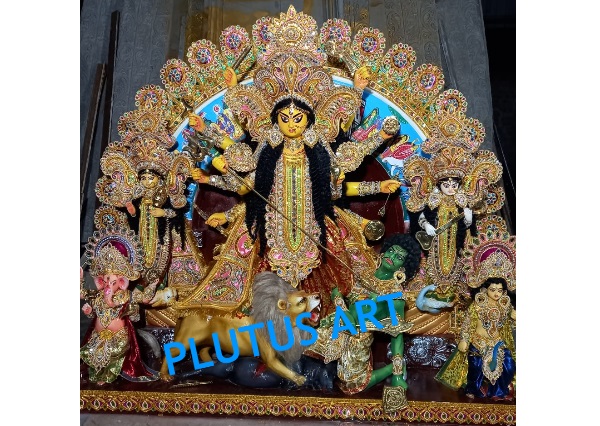
Fiberglass Maa Durga statues offer durability and versatility, allowing artisans to create stunning representations that mirror traditional designs. By integrating sustainable practices without compromising on aesthetics or spiritual significance, communities can celebrate their devotion in harmony with nature.
The journey toward embracing fiberglass as a viable alternative is not just about changing materials; it’s about evolving our approach towards sustainability in worship. This thoughtful transition ensures that future generations can continue to partake in the vibrant festivities surrounding Maa Durga while preserving the environment for years to come.
Embracing new materials like fiberglass does not mean abandoning our roots but rather enriching them with mindful choices that reflect both reverence for tradition and respect for our planet.